Does Heat Kill Mold? Unveiling Myths and Facts for Homeowners
Table of Contents:
Does Heat Kill Mold? Unveiling Myths and Facts for Homeowners
Table of Contents:
Understanding Mold and Its Growth Conditions
The Myth of Heat-Killing Mold
Myth #1: Mold Spores and Heat Resistance
Myth #2: Heat's Limited Effectiveness
Myth #3: Localized Heating
Facts About Using Heat for Mold Remediation
Fact #1: Controlled Environment Heating
Fact #2: Drying Out Moisture
Fact #3: Complementary Approach
Practical Tips for Homeowners
Conclusion
Transform Your Space Today with A Blessed Tile and Carpet Cleaning!
Frequently Asked Questions (FAQs) - Unveiling Myths and Facts for Homeowners
1. Can I use a hairdryer to kill mold?
2. Does heat kill all types of mold?
3. Can using a space heater help with mold removal?
4. How long should heat be applied to kill mold?
5. Can I combine heat with other cleaning methods to remove mold?
Understanding Mold and Its Growth Conditions
Before diving into the effects of heat on mold, it's important to understand what mold is and what conditions promote its growth. Mold is a type of fungus that thrives in damp, warm environments. It reproduces through spores that are present in the air. When these spores land on a moist surface, they begin to grow and spread.
Key conditions that favor mold growth include:
- High Humidity: Mold prefers environments with relative humidity levels above 60%.
- Temperature: Mold grows best in temperatures between 60°F and 80°F (15°C to 27°C).
- Moisture: Water from leaks, floods, or high humidity provides the moisture mold needs to thrive.
- Organic Materials:
Mold feeds on organic materials such as wood, paper, and fabric.
The Myth of Heat-Killing Mold
One common myth is that high temperatures can effectively kill mold. While it's true that extreme heat can kill some microorganisms, the reality is more nuanced when it comes to mold. Here's why:
Myth #1: Mold Spores and Heat Resistance
Mold spores are surprisingly resilient. They are designed to withstand harsh conditions and can remain dormant until they find a suitable environment. While temperatures above 140°F (60°C) can kill mold spores, achieving and maintaining such high temperatures in a typical household setting is impractical.
Myth #2: Heat's Limited Effectiveness
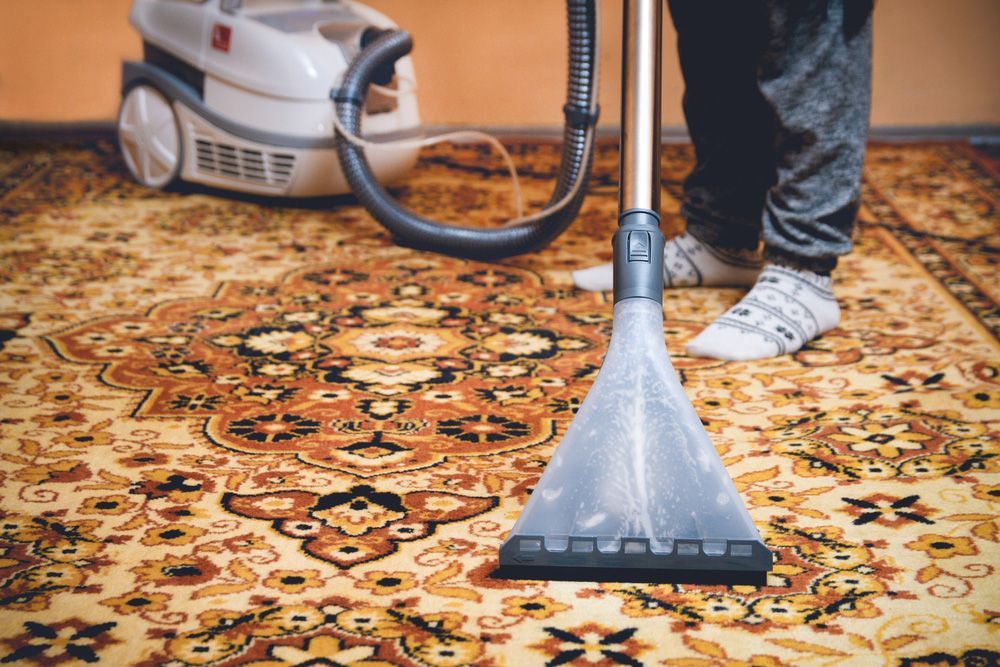
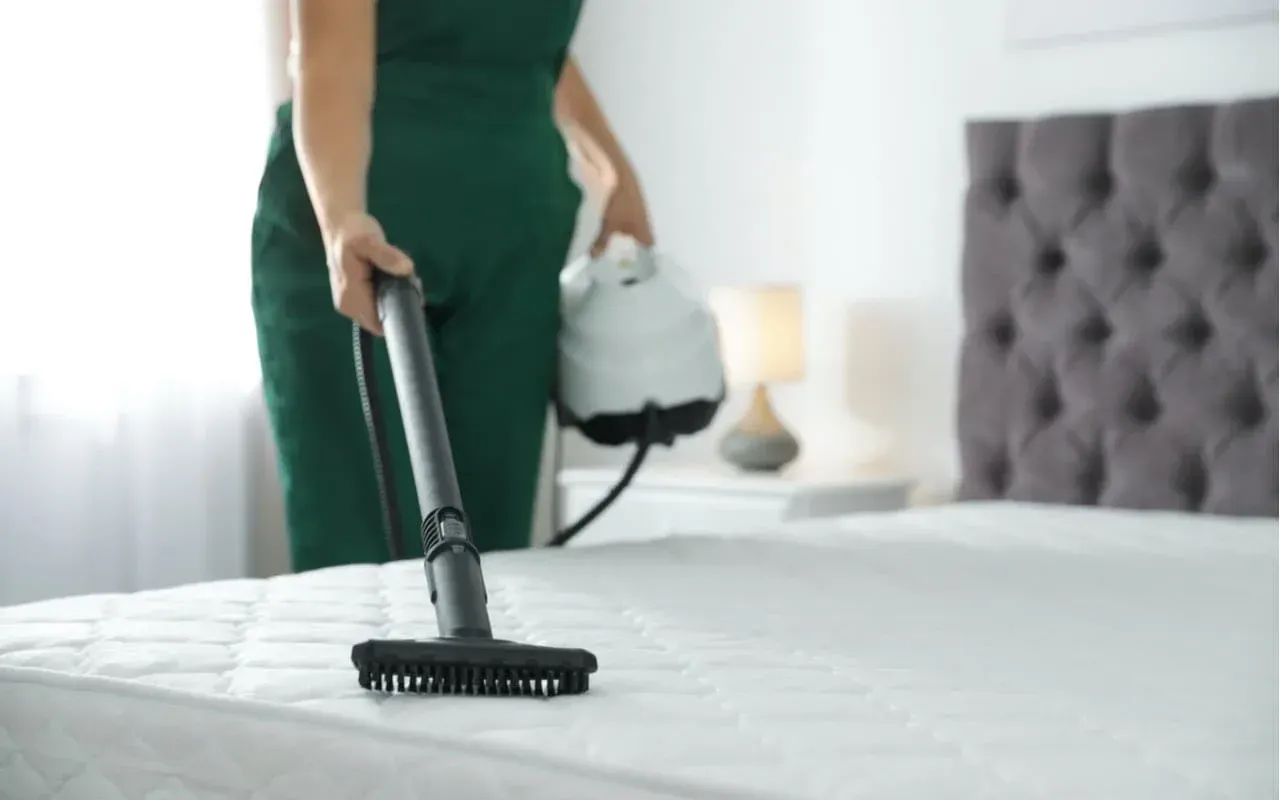
Simply using a heater or hairdryer in a room affected by mold is unlikely to reach or maintain temperatures high enough to eradicate mold. Effective mold remediation requires addressing the underlying moisture issue and potentially using professional treatments such as steam cleaning.
Myth #3: Localized Heating
Heat applied in localized areas, such as using a space heater, may not effectively penetrate porous materials like drywall, wood, or insulation where mold often grows. Mold inside these materials may remain unaffected by surface heating. For a more thorough approach, consider professional carpet cleaning and upholstery cleaning to ensure all affected areas are treated.
Facts About Using Heat for Mold Remediation
Despite the myths, heat can play a role in mold remediation when used as part of a comprehensive approach. Here’s how:
Fact #1: Controlled Environment Heating
Professional mold remediation services sometimes use specialized equipment to heat entire rooms or areas to higher temperatures. This process, called "heat treatment," is conducted under controlled conditions and can help kill mold spores. However, this is not a DIY solution and requires professional expertise.
Fact #2: Drying Out Moisture
Heat can aid in drying out moisture, which is crucial for mold removal. If mold is present due to water damage, heating the area can help evaporate the water, making it easier to clean and repair. However, it must be combined with proper ventilation and dehumidification to prevent further mold growth. Professional carpet cleaning services can also help in removing moisture from carpets and upholstery.
Fact #3: Complementary Approach
Heat alone is not a standalone solution. Effective mold remediation typically involves addressing moisture sources, cleaning affected surfaces with mold-killing solutions, and improving ventilation. Professional carpet cleaning companies and air duct cleaning services can be instrumental in this process by improving indoor air quality and removing allergens.
Practical Tips for Homeowners
If you're dealing with a mold problem in your home, here are some practical steps to manage and prevent mold growth:
- Address Moisture Issues: Fix leaks, improve ventilation, and use dehumidifiers to keep indoor humidity levels below 60%. Ensure that areas prone to moisture, such as bathrooms and basements, are properly ventilated.
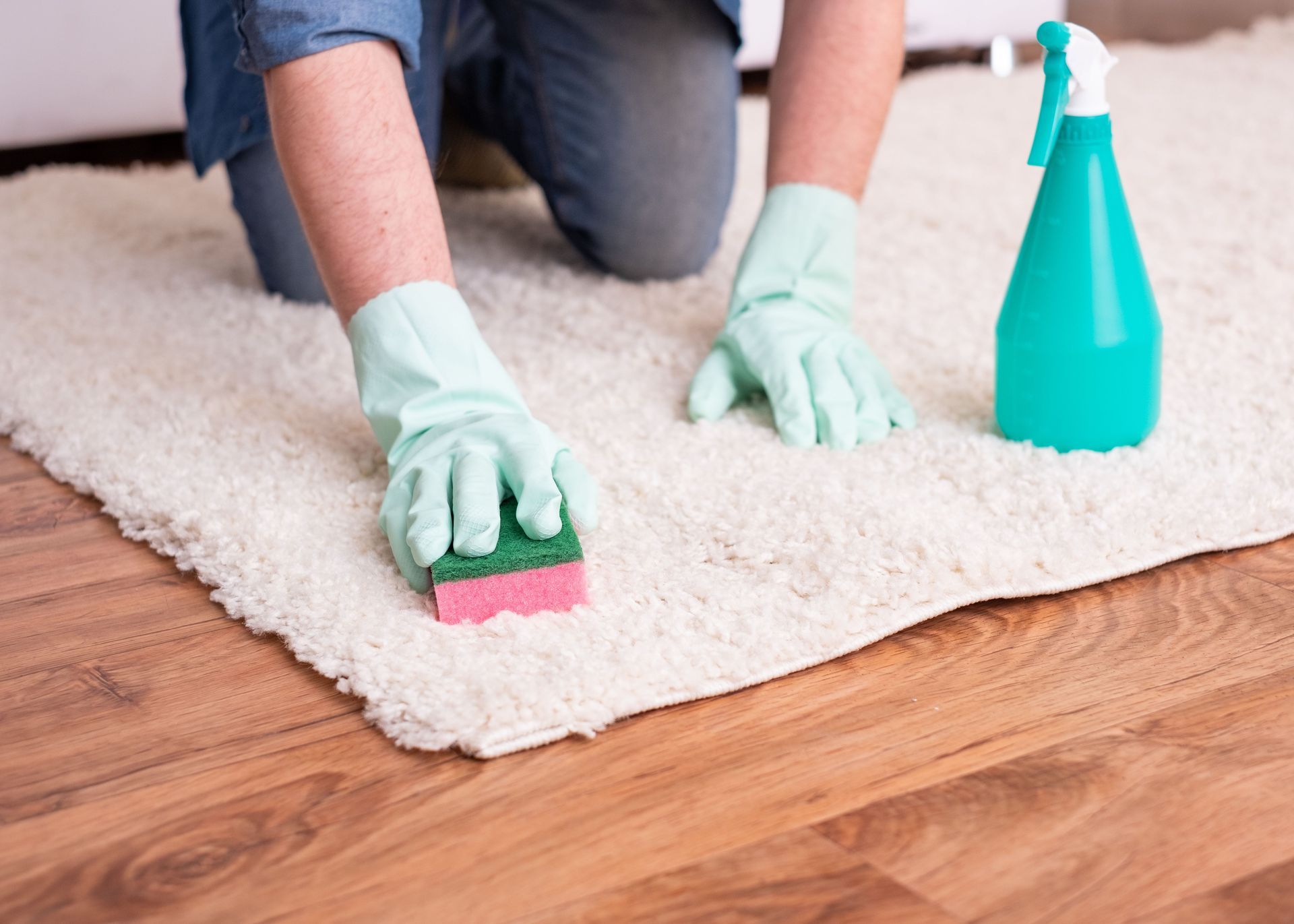
- Clean Affected Areas: For small mold infestations, clean affected surfaces with a mixture of water and detergent. For porous materials like drywall or insulation, it’s often better to remove and replace them. For carpets and upholstery, consider using professional carpet cleaning services and upholstery cleaning to ensure that all surfaces are treated.
- Consider Professional Help: For extensive mold problems, or if mold is hidden behind walls or under flooring, it’s wise to consult a professional mold remediation service. They have the expertise and equipment, including the best carpet cleaners and steam cleaning tools, to handle mold effectively and safely.
- Regular Maintenance: Regularly inspect your home for signs of moisture or mold. Maintain your HVAC system, clean gutters, and ensure proper drainage around your home to prevent mold growth. Additionally, consider air duct cleaning to improve indoor air quality and reduce allergens.
- Use Mold-Resistant Products:
When renovating or building, consider using mold-resistant materials such as mold-resistant drywall and paints to reduce the risk of mold growth.
Conclusion
While heat can play a role in managing mold, it’s not a standalone solution for mold remediation. The best approach is to address the root causes of mold growth, such as moisture and humidity, and use a combination of cleaning, drying, and professional remediation services if necessary.
By understanding the facts and myths about heat and mold, homeowners can make informed decisions and take effective steps to protect their homes and health from mold damage. For comprehensive cleaning solutions, including carpet cleaning and upholstery cleaning, consider hiring the best carpet cleaning company or professional carpet cleaning services to ensure your home remains mold-free and hygienic.
For those in Conroe, TX, and surrounding areas like Houston and The Woodlands, finding reliable carpet cleaning services can ensure your home’s indoor air quality and overall cleanliness are maintained. Don’t hesitate to request a free quote and explore options for the best possible service.
Transform Your Space Today with A Blessed Tile and Carpet Cleaning!
Are you looking for top-notch carpet cleaning, tile cleaning, and upholstery cleaning services in Conroe, TX, and the surrounding areas? Look no further than A Blessed Tile and Carpet Cleaning! We specialize in providing exceptional move in and out services, ensuring your new or old home is spotless and welcoming.
Whether you’re in Conroe, Montgomery, The Woodlands, Willis, Walden, or any of the surrounding areas, our expert team is ready to deliver quality service tailored to your needs. Don’t let dirty carpets or tiles detract from your home’s beauty and cleanliness.
Contact us today at (281) 799-5776 to schedule your cleaning service or to get a free quote. At A Blessed Tile and Carpet Cleaning, we are committed to transforming your space with our professional touch. Let us help you make your home shine!
Frequently Asked Questions (FAQs) - Unveiling Myths and Facts for Homeowners
1. Can I use a hairdryer to kill mold?
While a hairdryer can produce heat, it is unlikely to generate temperatures high enough to effectively kill mold spores. For effective mold remediation, it's better to use specialized equipment or consult a professional.
2. Does heat kill all types of mold?
Heat may kill some types of mold spores, but not all. Mold spores are highly resilient and can survive in varying conditions. Addressing mold effectively usually requires a combination of methods, including moisture control and professional cleaning.
3. Can using a space heater help with mold removal?
A space heater might help dry out moisture in small areas, but it won't reach the high temperatures needed to kill mold spores. For extensive mold problems, it’s best to use professional services
4. How long should heat be applied to kill mold?
If using heat as part of a mold remediation strategy, it needs to be maintained at high temperatures for an extended period, often several hours. This is difficult to achieve in a home setting and typically requires professional-grade equipment
5. Can I combine heat with other cleaning methods to remove mold?
Yes, combining heat with other cleaning methods, such as steam cleaning and chemical treatments, can be effective. Heat alone is insufficient; it should be part of a comprehensive mold remediation strategy that includes addressing moisture and cleaning affected areas
Explore More Blogs